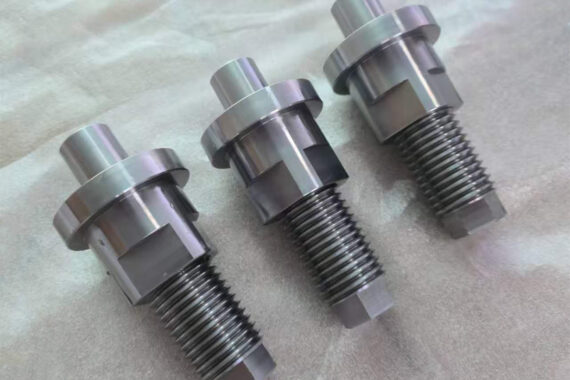
CNC Aluminum Parts Anodizing

CNC machined precision aluminum parts can be anodized to improve the wear resistance, corrosion resistance and insulation of the surface as well as change the color and appearance of the surface. Anodizing is widely used for CNC turning and milling aluminum parts. Request Quotation

Why You Should Anodize Your CNC Aluminum Parts

Anodizing is the most popular finish for aluminum for a powerful combination of reasons:
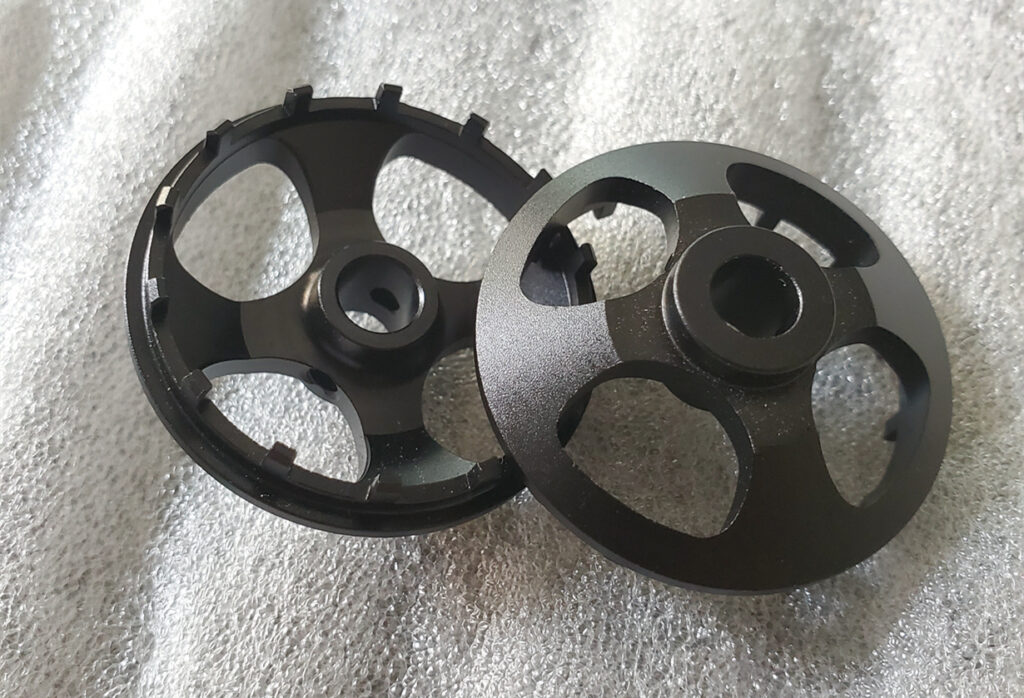
  1. Superior Corrosion and Wear Resistance
    The anodized layer is much harder than raw aluminum. Type III hardcoat anodizing, for example, can make the surface as hard as tool steel. This makes parts highly resistant to scratching, abrasion, and wear from handling or environmental exposure.
  2. Enhanced Aesthetics and Color Options
    This is the most visible benefit. The porous anodized layer can be soaked in dyes to create virtually any color you can imagine. From sleek blacks and corporate blues to vibrant reds and greens, anodizing provides a uniform, consistent, and deep color that won not chip, peel, or fade like paint because the color is within the oxide layer.
  3. Improved Lubricity and Adhesion
    The anodic layer has a naturally porous structure that can be sealed with lubricants, making it excellent for moving parts. It also provides a fantastic base for paint and adhesive bonding if further finishing is required.
  4. Maintains Precision
    Because the anodizing process grows the surface layer from the existing material, it adds dimension. However, this growth is highly predictable (approximately 50% of the layer thickness grows inward, and 50% grows outward). Experienced machinists (like our team at Boyi Precision) will account for this during the CNC machining phase to ensure your final part maintains all critical dimensions and tolerances after anodizing.
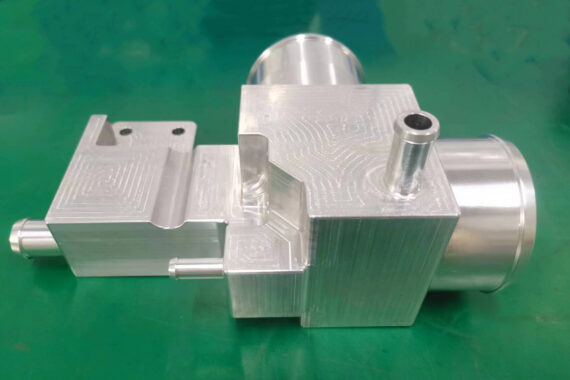
CNC machining Aluminum anodizing parts
Types of Anodizing: Which is Right for Your Part?

Not all anodizing is the same. The most common types we offer are:

  • Type II: Sulfuric Acid Anodizing (Standard)
    Purpose: The most common type, used for general corrosion resistance and color dying.
    Thickness: Typically 0.0002″ to 0.001″ (5 to 25 microns).
    Best For: Consumer products, architectural components, and parts where aesthetics and moderate durability are key.
  • Type III: Hardcoat Anodizing
    Purpose: For parts that must withstand extreme wear and abrasion.
    Thickness: Typically 0.002″ to 0.004″ (50 to 100 microns+). This is a much thicker, harder layer.
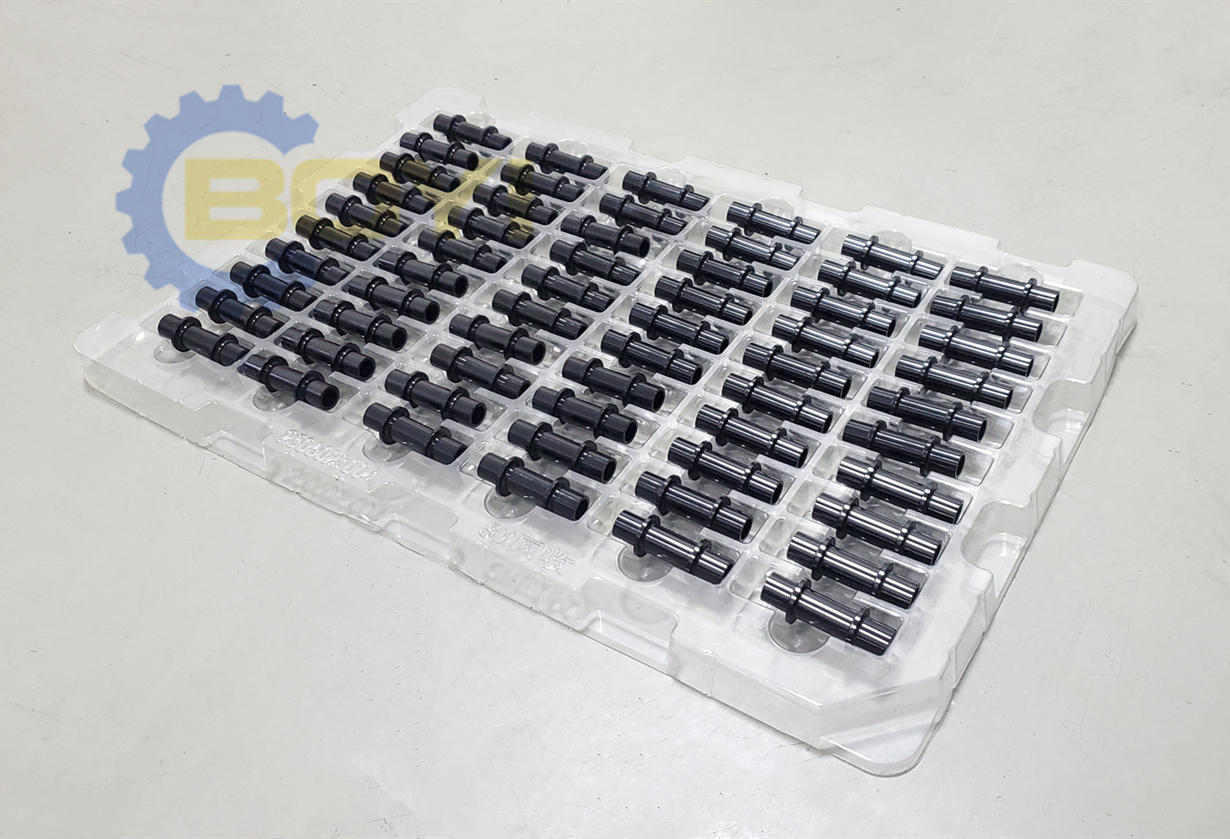
    Best For: Military equipment, automotive components, industrial machinery, and firearm parts. Note: Hardcoat anodizing is typically only available in darker colors like black, dark gray, or olive drab.
  • Clear vs. Colored
    Clear Anodize: Leaves the part with its natural aluminum silver appearance but provides all the protective benefits. Excellent for showcasing the precision machined details.
    Color Anodize: The part is dyed after the anodizing process. This requires careful process control to ensure color consistency across batches.
Designing CNC Parts for Anodizing

To get the best results, keep these design and machining considerations in mind:
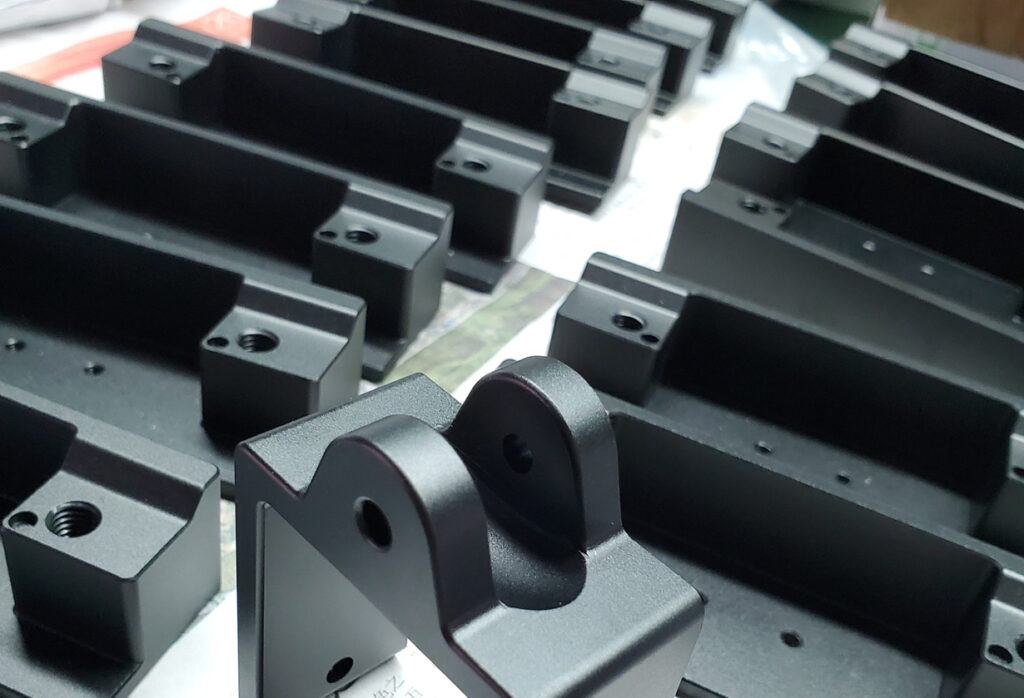
  • Specify Your Alloys: Different aluminum alloys anodize differently. 6061 is the gold standard for achieving consistent, high-quality color and protection. 7075 and 2024 can be anodized but may result in darker, less uniform colors due to their copper content.
  • Mind the Tolerances: Remember, anodizing adds thickness. For features like press-fit holes or tight sliding fits, you must specify the need for masking or account for the thickness loss in your design.
  • Avoid Galvanic Corrosion: If your assembly uses dissimilar metals (e.g., steel screws in an aluminum part), anodizing provides insulation. However, the steel screws can still rust, which can stain the anodized surface.
  • Surface Finish Matters: The anodized finish will amplify the underlying surface texture. A machined surface will have a glossy, metallic look, while a bead-blasted surface will yield a consistent, matte finish. Discuss your desired final appearance with your machine shop.
Anodizing CNC Machining Aluminum Components
Our Anodizing CNC Machining Aluminum Components

At Boyi Precision, we don’t just machine your parts and send them out for finishing—we manage the entire process under one roof (or through trusted, local partners we rigorously quality-check).

This integrated approach offers you key advantages:
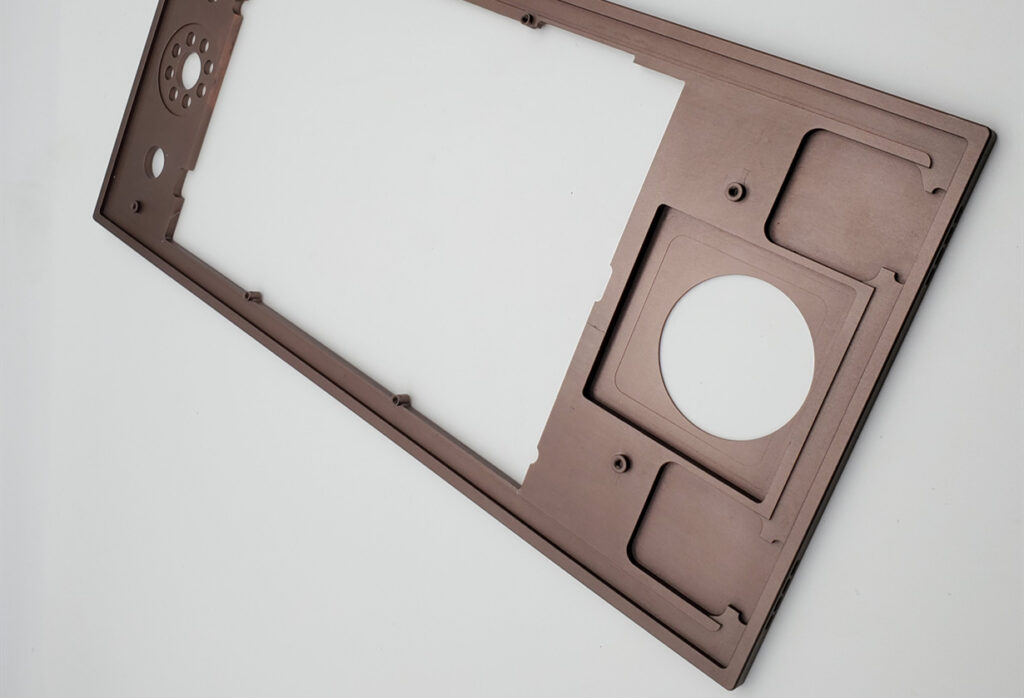
  1. Expert DFM Feedback: We advise on the best alloy and machining practices for a flawless anodized finish.
  2. Dimensional Accountability: We expertly machine parts to account for the anodic layer growth, protecting your critical dimensions.
  3. Quality Control: We inspect parts pre- and post-anodizing to ensure color consistency, coating thickness, and corrosion resistance meet the highest standards.
CNC Machining Aluminum Parts Anodizing Advantages
  1. Improve the corrosion resistance of the surface.
    Aluminum alloy is a corrosion-resistant metal because aluminum is very active and is particularly prone to chemical reactions with oxygen in the air to form an aluminum oxide film. The naturally formed oxide film is thin, prone to small scratches, and has weak corrosion resistance. The artificial oxide film generated by anodization is uniform, dense, and highly corrosion-resistant.
  2. Improve surface wear resistanc.
    CNC precision aluminum parts without surface treatment are particularly susceptible to scratches and wear. The surface of anodized aluminum parts is very hard, and the hardness of the oxide film on the surface reaches 300HV. Therefore, it is very hard-wearing and scratch-resistant.
  3. Improve insulation.
    Aluminum conducts electricity very well, but aluminum needs insulation in some situations. The anodized aluminum oxide film is non-conductive, so anodizing is one of the perfect options for CNC aluminum parts that require insulation.
  4. Anodizing Color can be customized.
    CNC turned or milled aluminum parts can be anodized and custom anodized colors available upon request.
CNC Aluminum Parts Anodizing
Ready to Transform Your CNC Aluminum Parts?

Anodizing is the perfect marriage of form and function for CNC aluminum parts. It protects your investment and elevates the final product to a professional, market-ready standard.

Let’s create something durable and beautiful together.

Already have a design? Get an instant quote that includes anodizing options.
Need advice? Our engineers are here to help you choose the right finish.
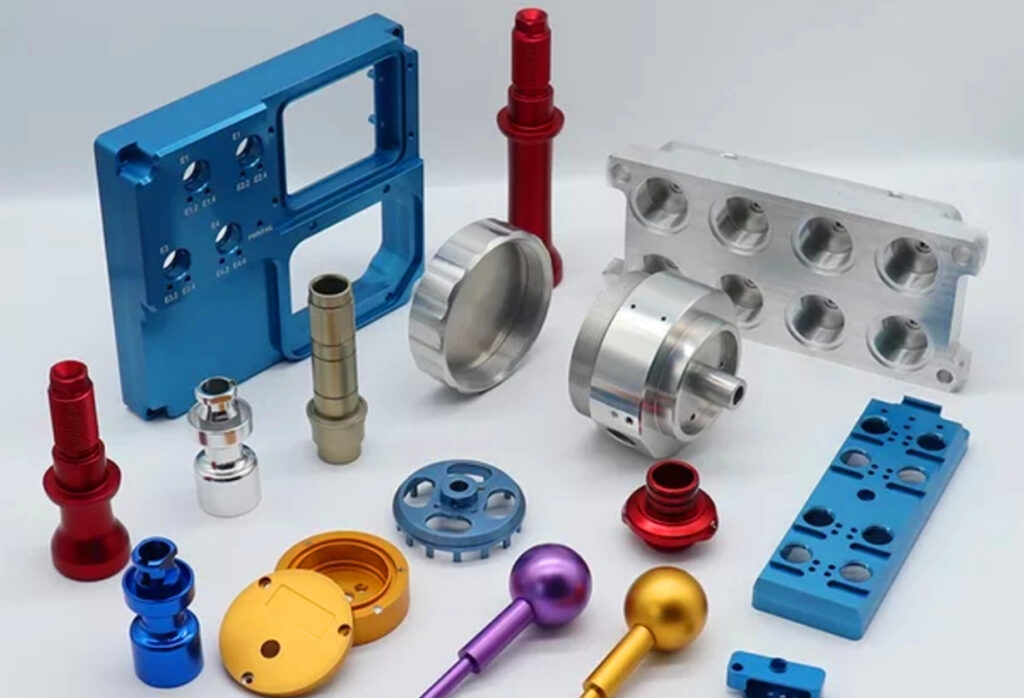
Machining Aluminum Parts Anodizing

Related Posts

× How can I help you?