September 20, 2025
While often associated with aerospace or medical devices, CNC machining components are equally vital...

CNC-machined parts are the “skeleton and muscles” of AI robots.
When AI robots are mentioned, people often think of intelligent algorithms, visual recognition, and autonomous decision-making—the “brain” level technologies. However, few realize that a stable, accurate, and reliable AI robot relies heavily on high-precision CNC-machined parts.
In short, CNC machining is the cornerstone for AI robots to move from “concept” to “reality.” Without precise mechanical structures, even the most powerful artificial intelligence is merely a castle in the air.
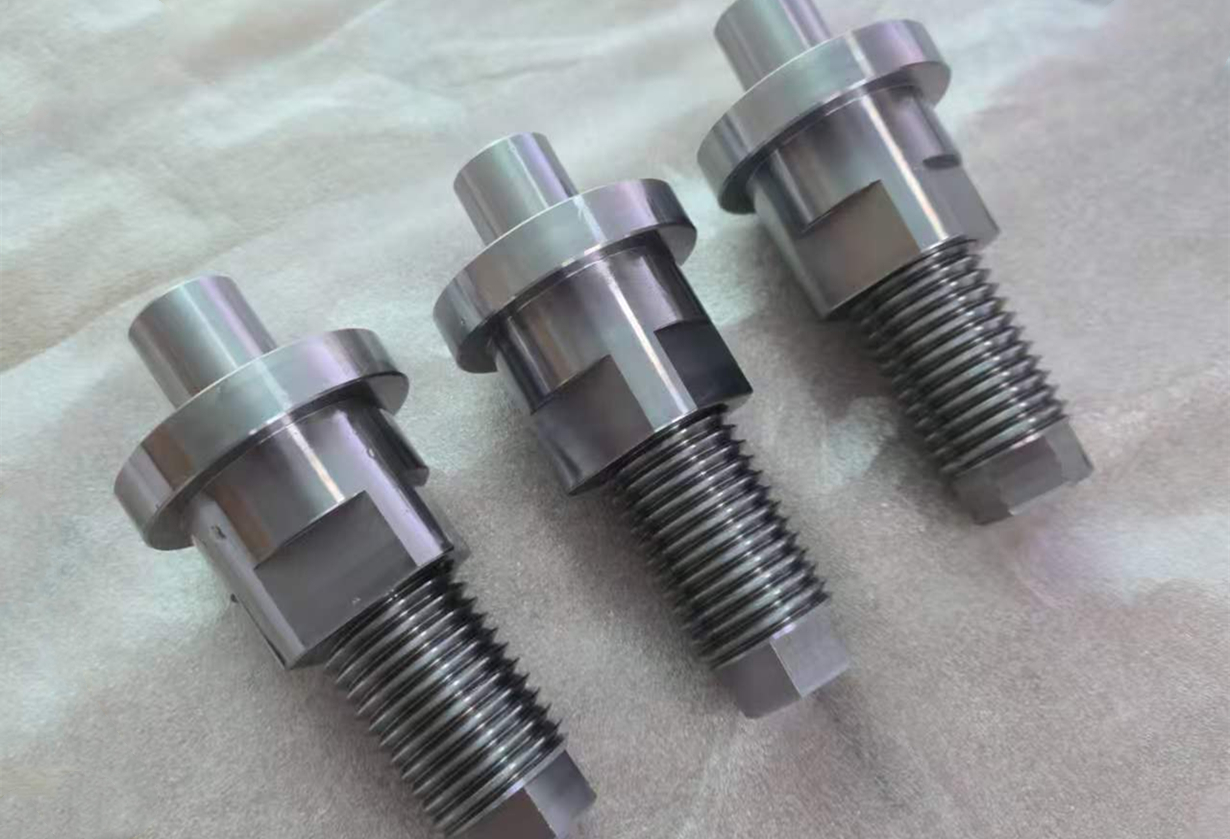
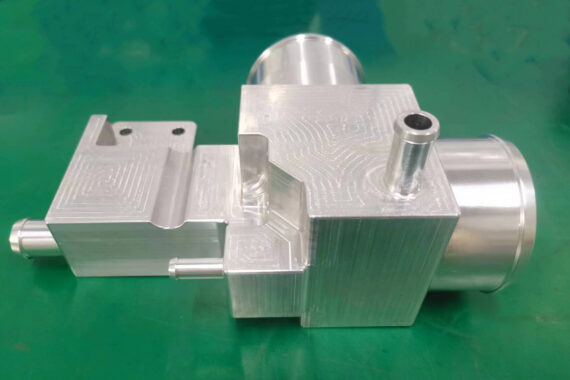
Whether it’s an industrial robotic arm, a service robot, a collaborative robot, or an AGV (Automated Guided Vehicle), their core structural components are almost entirely CNC-machined:
These seemingly ordinary parts directly determine the robot’s repeatability, motion stability, load capacity, and lifespan. And only high-precision CNC machining can meet the stringent requirements of robots.
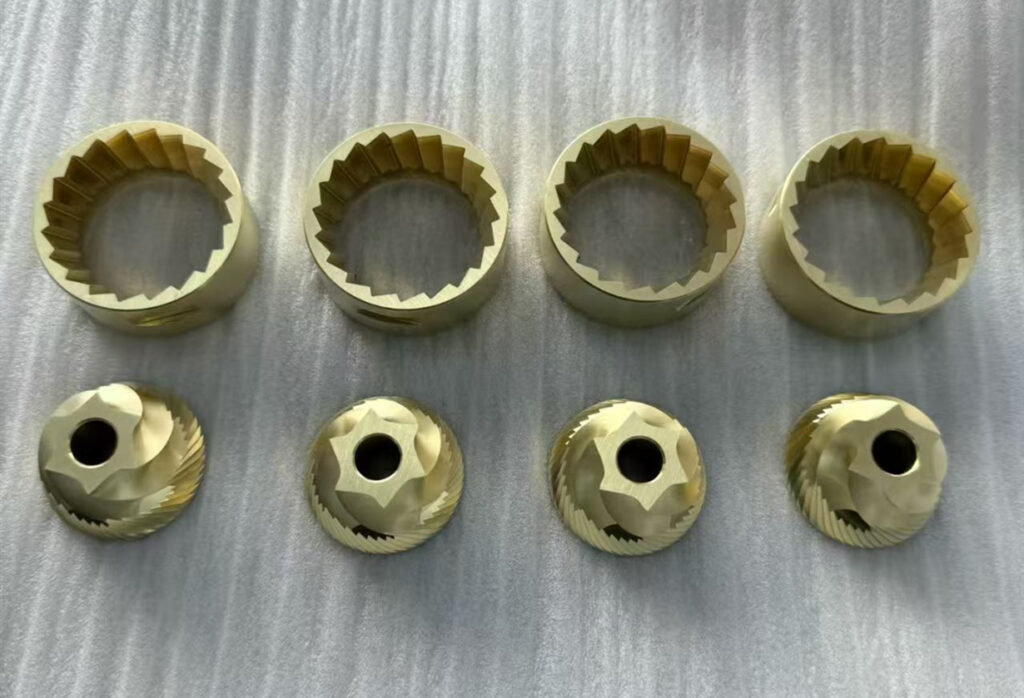
The advantage of AI robots lies in their precise perception and intelligent decision-making, but their movements ultimately rely on mechanical structures.
A high-precision collaborative robot often requires parts with micron-level precision. This is precisely the core value of CNC machining—precisely translating AI’s “ideas” into the physical world.
Unlike traditional mass production, the AI robot industry is characterized by rapid R&D iteration, diverse models, and small batch sizes. CNC machining’s advantages perfectly meet these needs:
It can be said that CNC machining is the fastest bridge for AI robots to move from the laboratory to mass production.
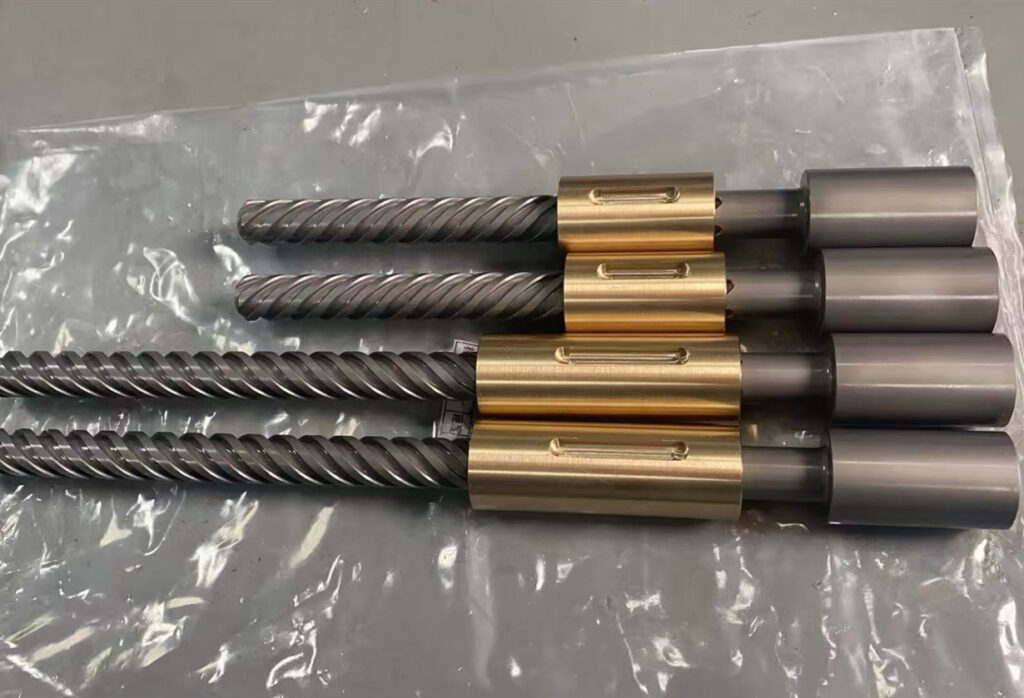
On the one hand, CNC machining produces more precise robot parts, making AI robots more powerful. On the other hand, AI robots, in turn, improve the efficiency of CNC machining, enabling intelligent loading and unloading, automatic inspection, and unmanned production.
AI robots are the future, but their future is supported by parts manufactured with precision CNC machining. Algorithms endow robots with intelligence, electricity provides them with power, and high-precision CNC-machined parts give them their true “body.”
If you are also looking for CNC machining services for your robot development, we would be happy to discuss it with you.
Request A Quotation
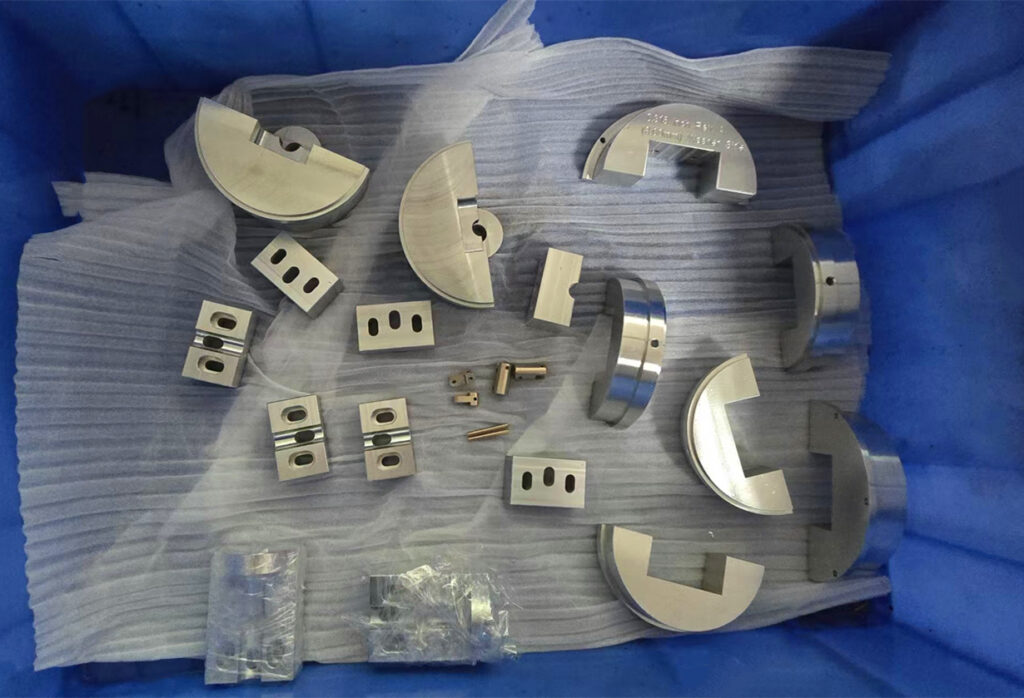
While often associated with aerospace or medical devices, CNC machining components are equally vital...
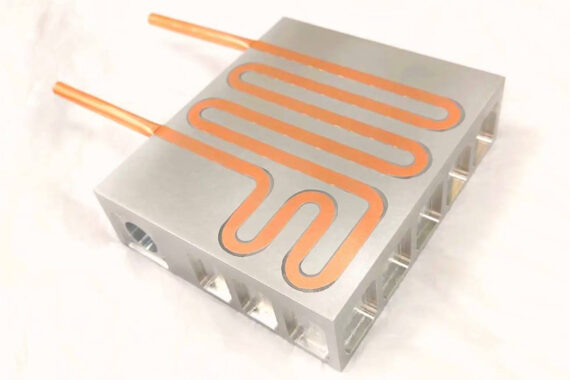
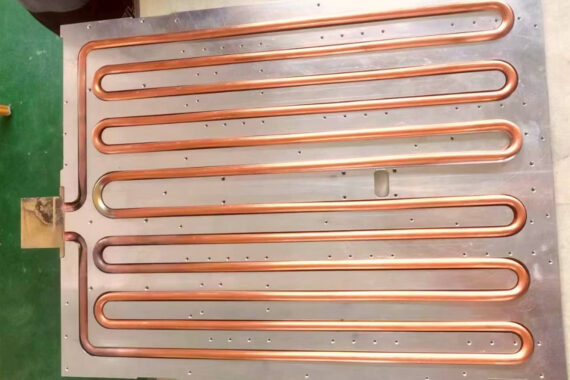
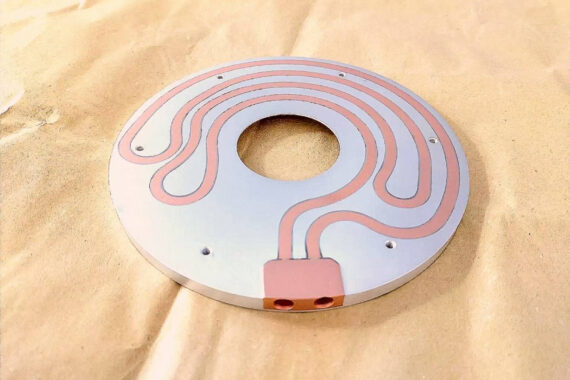
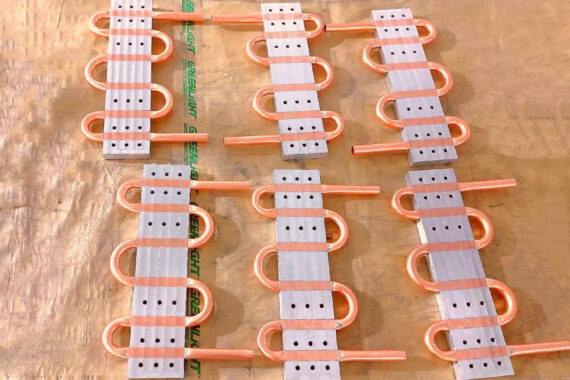
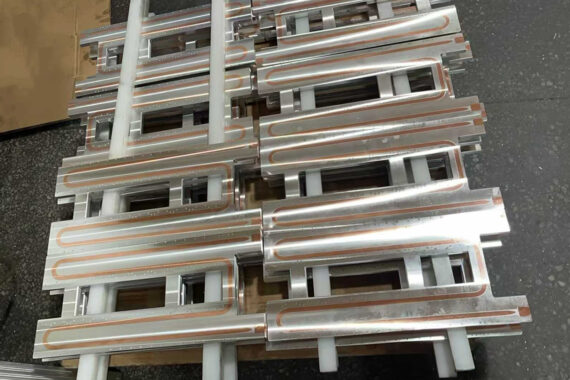
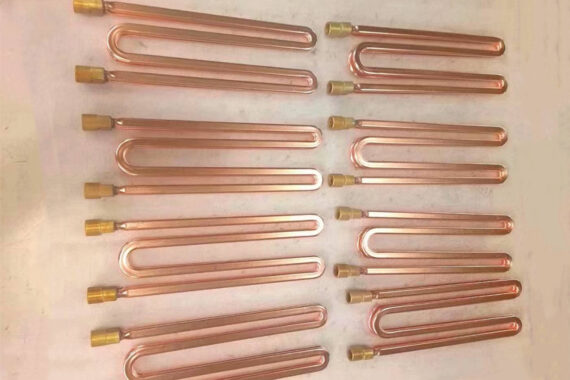
Our factory specializes in custom liquid cold plates with copper tubes, and CNC machining...
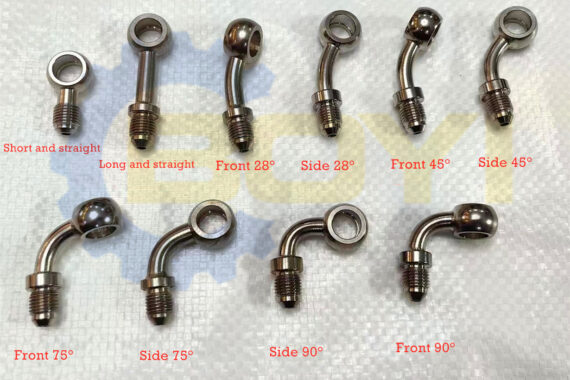
A Banjo brake adapter fitting is a small, shaped fitting that changes the angle...