While often associated with aerospace or medical devices, CNC machining components are equally vital to telecom, providing the precision and performance needed to keep...

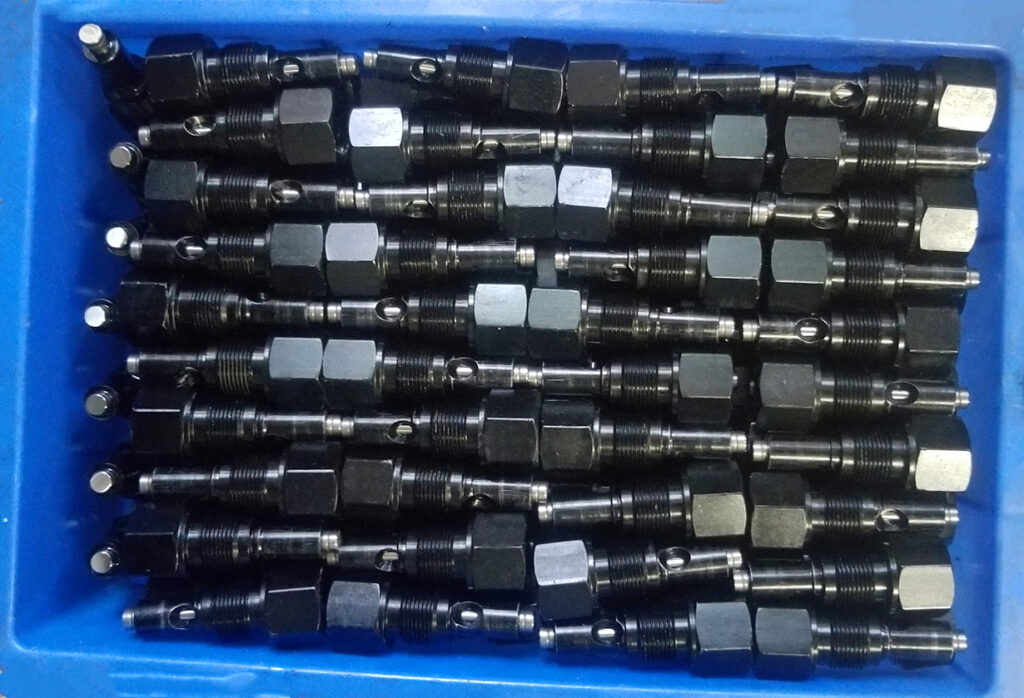
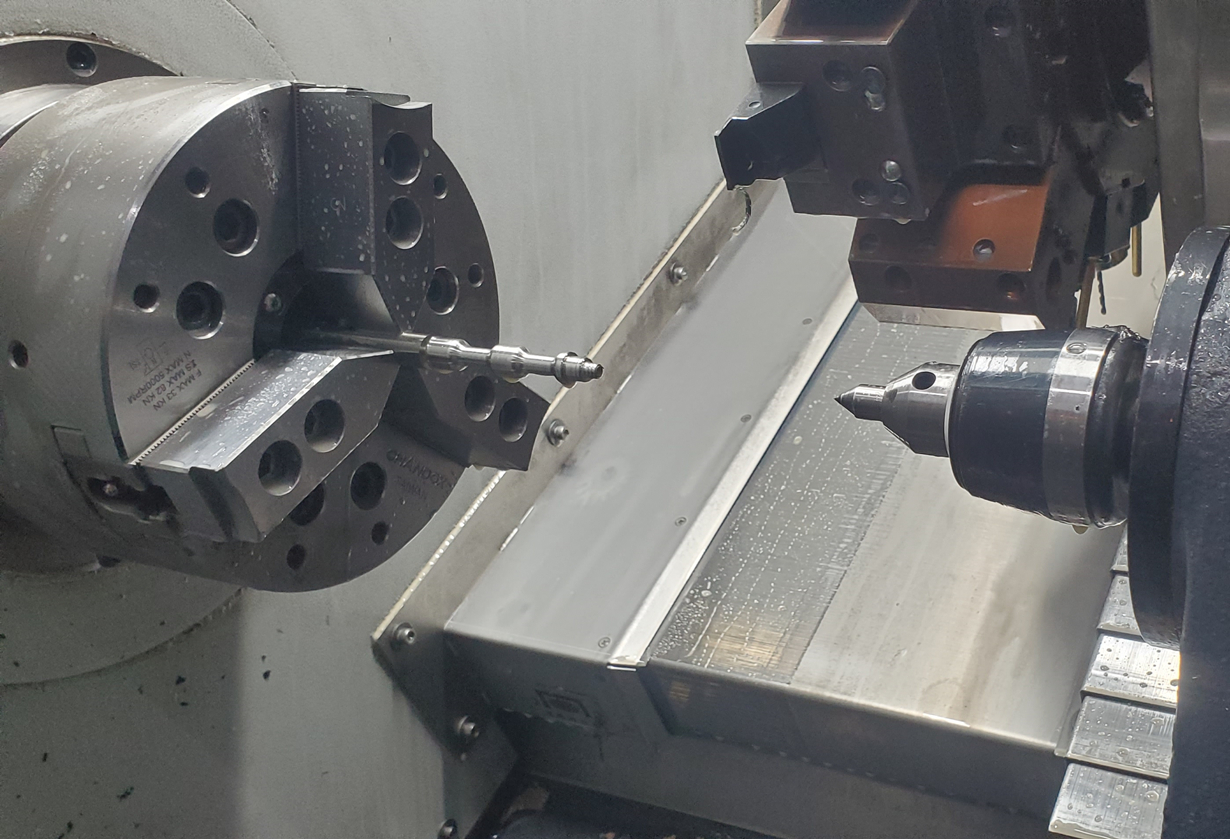
CNC Turn-milling combined processing is a processing technology based on CNC truning and milling machines that uses specific processing methods to complete turning and milling on the workpiece at the same time. This processing method can greatly improve the efficiency and accuracy of parts processing, and avoids the inconvenience of traditional machine tool changes multiple times. Our factory offer high efficiency and fast production, accuracy for custom CNC turn-milling parts soluation. Request Quotation
Key Advantages of the Turn-Milling Process
Why choose turn-milling over sequential turning and milling on separate machines? The benefits are substantial:
- Unmatched Accuracy: The “Single Setup” Advantage
This is the most significant benefit. When a part is completed in one setup, you eliminate the cumulative errors that can occur from re-clamping and re-fixturing between multiple machines. This ensures exceptional feature-to-feature accuracy and concentricity. - Dramatically Reduced Lead Times
By combining operations, turn-milling slashes total machining time. There’s no need to move parts from a lathe to a mill, queue for the next machine, or set up new fixtures. This leads to faster overall production, from raw material to finished part. - Lower Total Cost
While the hourly rate for a multi-axis turn-mill might be higher, the total cost per part is often lower. You save on:
Labor: Reduced machine handling and oversight.
Fixturing: Less need for custom jigs and fixtures for secondary operations.
Floor Space: One machine does the work of two.
Scrap Risk: Fewer handling steps reduce the chance of damaging a part. - Ability to Machine Highly Complex Geometries
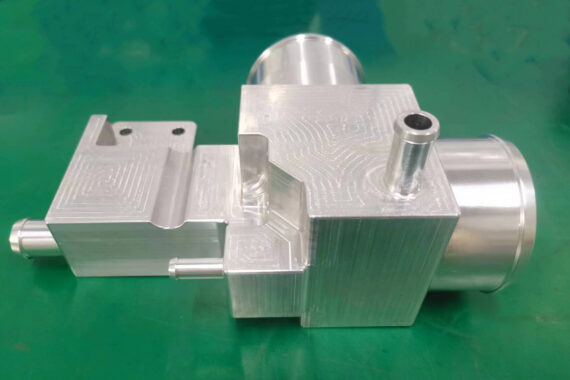
Turn-milling unlocks part designs that are impossible or prohibitively expensive to make with standard turning or milling alone. Think of a camshaft with milled lobes, a hydraulic valve body with radial ports, or a connector with off-axis threaded holes.
Turn-Milling vs. 5-Axis Milling: What’s the Difference?
This is a common point of confusion. While both are highly capable, the primary difference is in how the workpiece moves.
- In 5-axis milling, the workpiece is typically stationary or tilted on a trunnion, and the cutting tool moves in five directions to access the part.
- In turn-milling, the workpiece rotates continuously like a lathe, while the milling tools engage with it. It’s fundamentally a turning process supercharged with milling capability.
Ideal Applications for CNC Turn-Milling Parts
This process is perfect for complex, rotational parts that require features not concentric to the main axis.
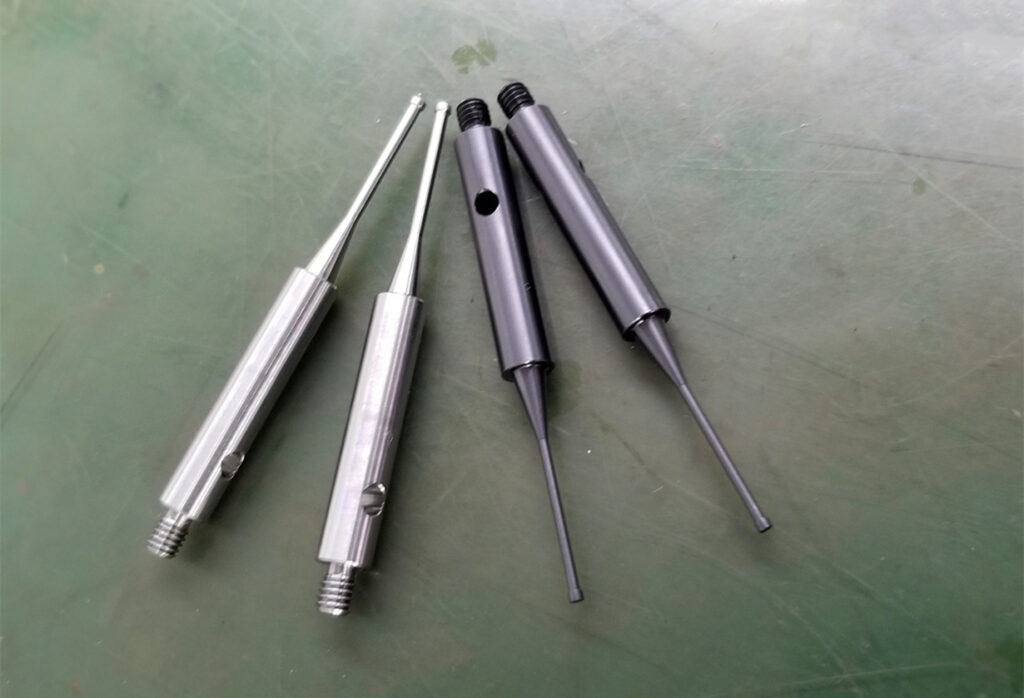
- Aerospace: Engine components, landing gear parts, and actuator housings with radial features.
- Medical: Complex surgical instruments, implants, and scanner components requiring flawless biocompatibility and precision.
- Automotive: Turbocharger shafts, advanced transmission components, and steering system parts.
- Oil & Gas: Valve bodies, flow control components, and downhole tools with multiple ports and channels.
- General Precision Engineering: Any complex shaft, bushing, or connector that requires flats, holes, slots, or grooves milled on its diameter.
Our Turn-Milling Capabilities at Boyi Precision
At Boyi Precision, we invest in cutting-edge technology to solve our clients’ most complex manufacturing challenges. Our turn-milling department is equipped with state-of-the-art multi-axis turn-mill centers that allow us to deliver:
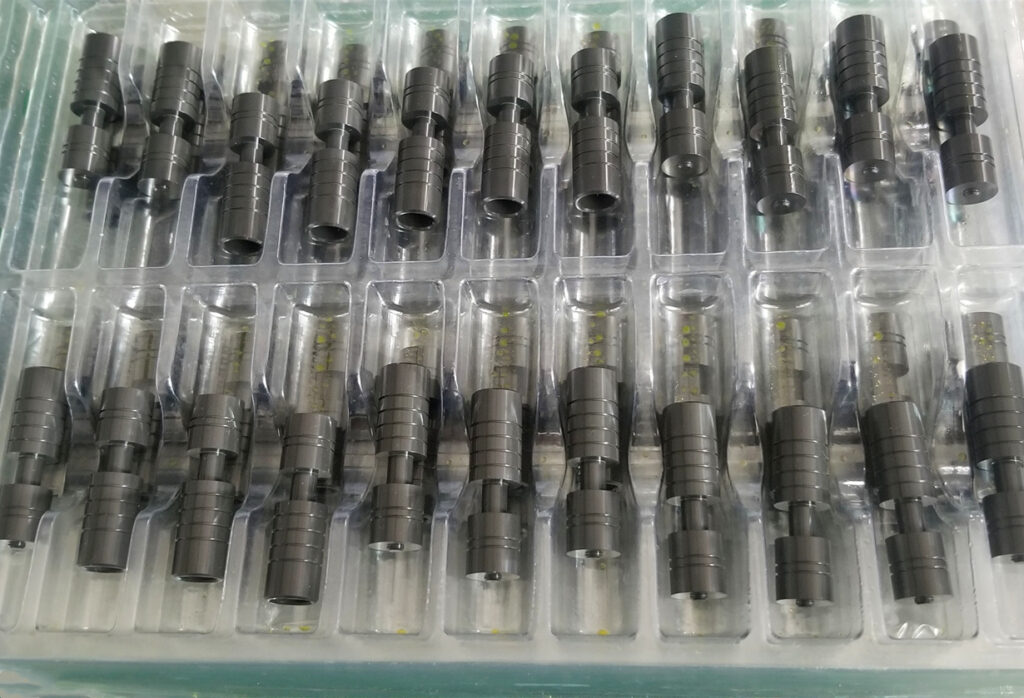
- Complete Part Completion: We often produce finished parts directly from the machine, including complex milling, drilling, and tapping operations.
- Advanced Materials Expertise: We expertly machine everything from aluminum and stainless steel to exotic alloys like Inconel and Titanium.
- Rigorous Quality Assurance: Every part is verified with in-process probing and final inspection using CMM technology to ensure it meets your strictest tolerances.
Is Turn-Milling Right for Your Project?
Consider CNC turn-milling if your part design involves:
- A primarily rotational form.
- Features that are off-center or not parallel to the main axis (e.g., radial holes, milled flats).
- Strict concentricity requirements between turned and milled features.
- A need to reduce production lead time and part handling.
Unlocking the full potential of your design often requires the right manufacturing process. CNC turn-milling is that key for intricate, rotational components.
Let’s discuss your application. Our engineering team provides free Design for Manufacturability (DFM) feedback to ensure your part is optimized for performance and cost-effectiveness using the best possible process.