In the high-stakes world of electronics, from powerful gaming PCs to cutting-edge EV batteries, heat is the enemy. Performance throttles, lifespan shortens, and reliability plummets when temperatures rise. So, how do engineers and enthusiasts keep their cool? Enter one of the unsung heroes of thermal management: the Aluminum Water Cooling Plate as know as Liquid Cold Plate.
What is a Liquid Cold Plates?
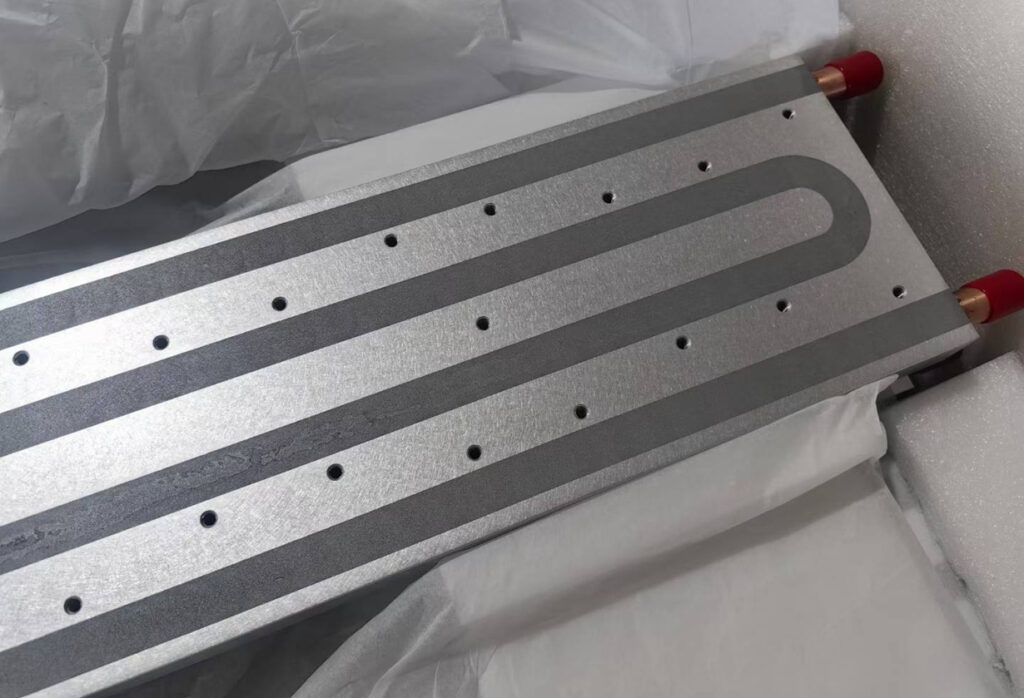
A liquid cold plate is a heat exchanger that uses a liquid coolant to absorb and transport heat away from a component. It’s typically a metal plate, machined with an internal channel or tube network. One side is mounted directly onto a heat source (like a CPU, GPU, or power semiconductor). A coolant—usually water or a water-glycol mix—is pumped through these internal passages, absorbing heat as it flows. The heated liquid then travels to a remote radiator, where the heat is dissipated into the air or another cooling loop, and the cooled liquid returns to repeat the cycle.
What Exactly is an Aluminum Water Cooling Plates?
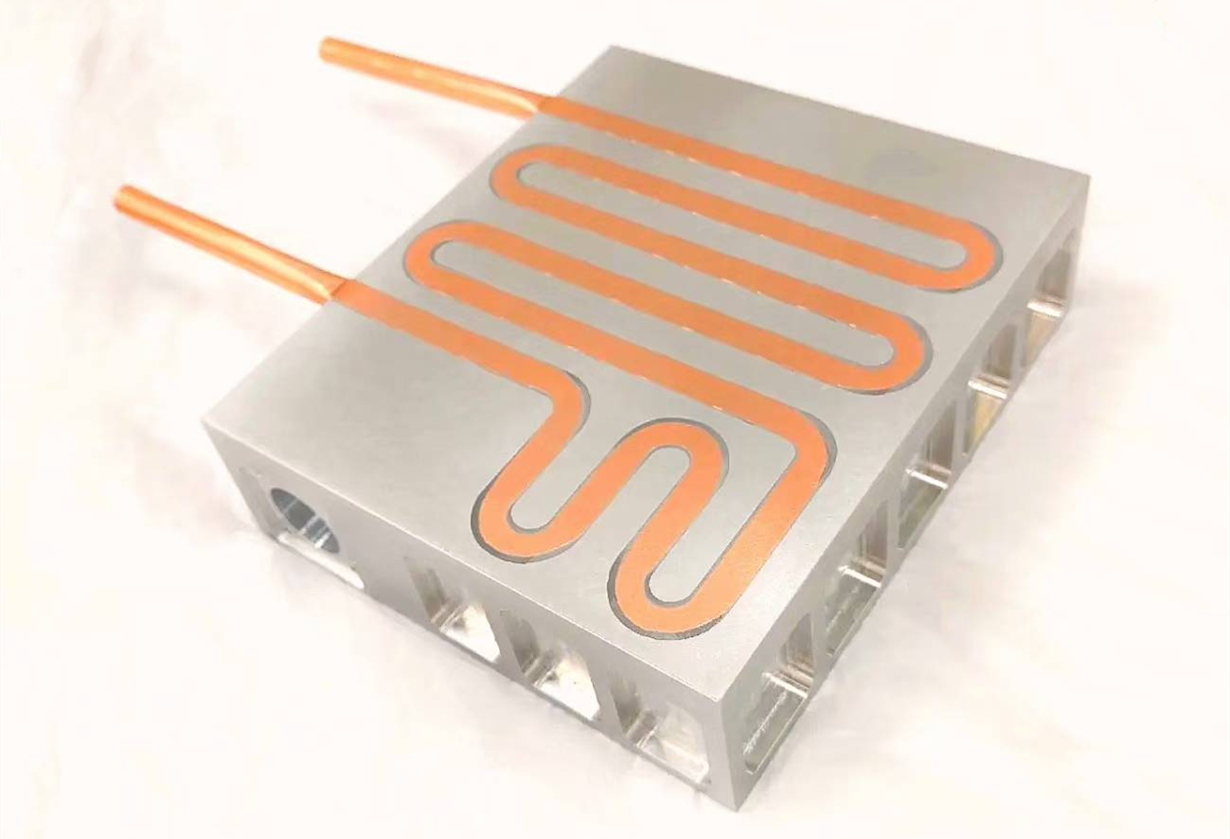
At its core, an aluminum water cooling plate (also known as a cold plate) is a metal heat exchanger. It’s typically a flat, machined block of aluminum designed to sit directly on a heat-generating component.
The magic happens inside. The plate contains a complex network of internal channels through which a coolant (usually water or a specialized fluid) is pumped. As the coolant flows through these channels, it absorbs heat from the aluminum block and carries it away to a radiator, where it is dissipated into the air.
Why Liquid? The Unbeatable Advantages
Why choose a liquid cold plate over a traditional air-cooled heatsink? The benefits are profound:
- Superior Thermal Performance: Liquid coolants have a vastly higher heat capacity than air. They can absorb and move significantly more heat energy, allowing cold plates to handle extremely high thermal loads that would overwhelm any air-based system.
- Higher Power Density: By efficiently removing heat, cold plates enable engineers to pack more powerful components into a smaller space. This miniaturization is essential for everything from sleek gaming laptops to compact aerospace systems.
- Silent Operation: Without the need for loud, high-RPM fans mounted directly on the heatsink, systems cooled by liquid cold plates can run almost silently. The pump is quiet, and the radiator fans can run at a much lower speed.
- Directed Heat Rejection: The heat isn’t just dumped locally; it’s transported to a location where it can be more effectively managed. This is crucial in sealed environments or systems where ambient temperature is already high.
- Temperature Uniformity: Cold plates spread heat evenly across their surface, preventing damaging “hot spots” and ensuring components run at a stable, optimal temperature.
Key Applications: Where You’ll Find Custom Cold Plates
Liquid cold plates are the workhorses of thermal management across countless industries:
- Electric Vehicles (EVs): Cooling battery packs, traction inverters, onboard chargers, and electric motors to ensure safety, performance, and longevity.
- High-Performance Computing: Cooling CPUs and GPUs in data centers, supercomputers, and gaming rigs to prevent thermal throttling and maximize uptime.
- Lasers & Optics: Managing the precise thermal demands of high-power laser diodes and optical equipment to maintain accuracy and output.
- Medical Equipment: Cooling imaging systems (MRI, CT scanners), radiation therapy machines, and surgical tools where reliability is non-negotiable.
- Aerospace & Defense: Thermal management for avionics, radar systems, and satellite equipment in extreme environments.
- Industrial Power Electronics: Cooling IGBTs, SCRs, and power supplies in motor drives, welders, and industrial automation.
Choosing the Right Cold Plates: Materials and Design
Not all cold plates are created equal. The right choice depends on your application’s needs.
Material Selection of Cold Plates:
- Copper: Offers the highest thermal conductivity for maximum performance. Ideal for the most demanding applications. It is heavier and more expensive.
- Aluminum: Provides an excellent balance of performance, weight, and cost. Its lightweight nature makes it ideal for automotive and aerospace applications. It requires careful management to prevent galvanic corrosion.
- Stainless Steel & Titanium: Used for specialized applications requiring exceptional corrosion resistance or compatibility with specific coolants, common in medical and chemical processing.
Internal Design for Custom Liquid Cold Plates:
The internal flow path is where engineering excellence shines.
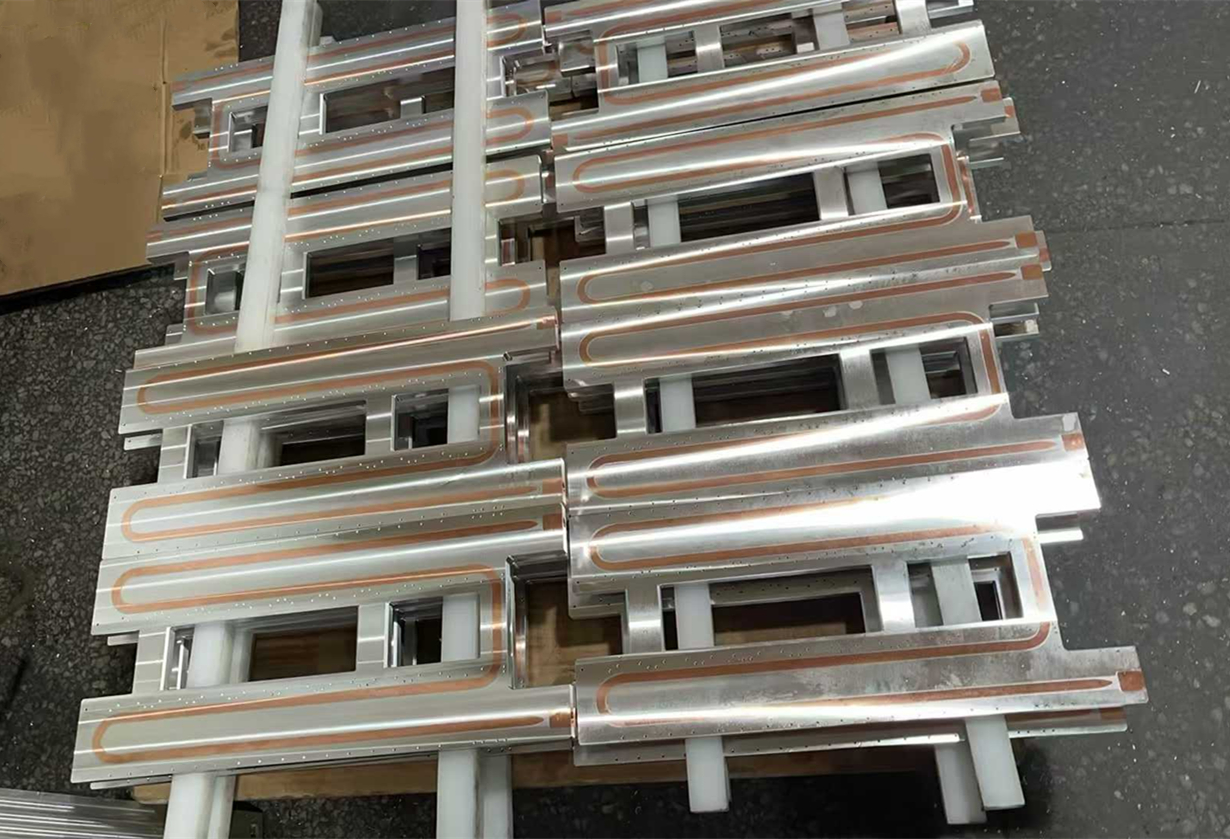
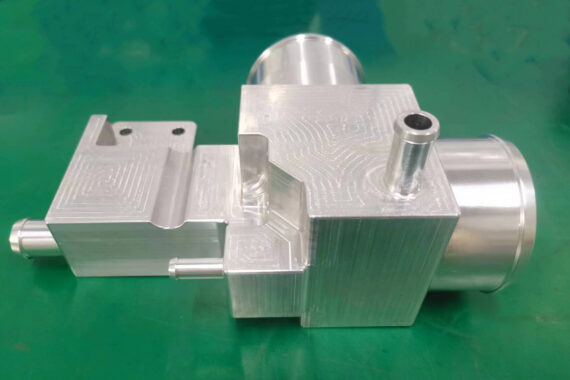
- Machined Channels: Channels are directly CNC-milled into the plate and sealed with a lid. Allows for highly customized, complex designs like serpentine or micro-channel patterns for maximum surface area.
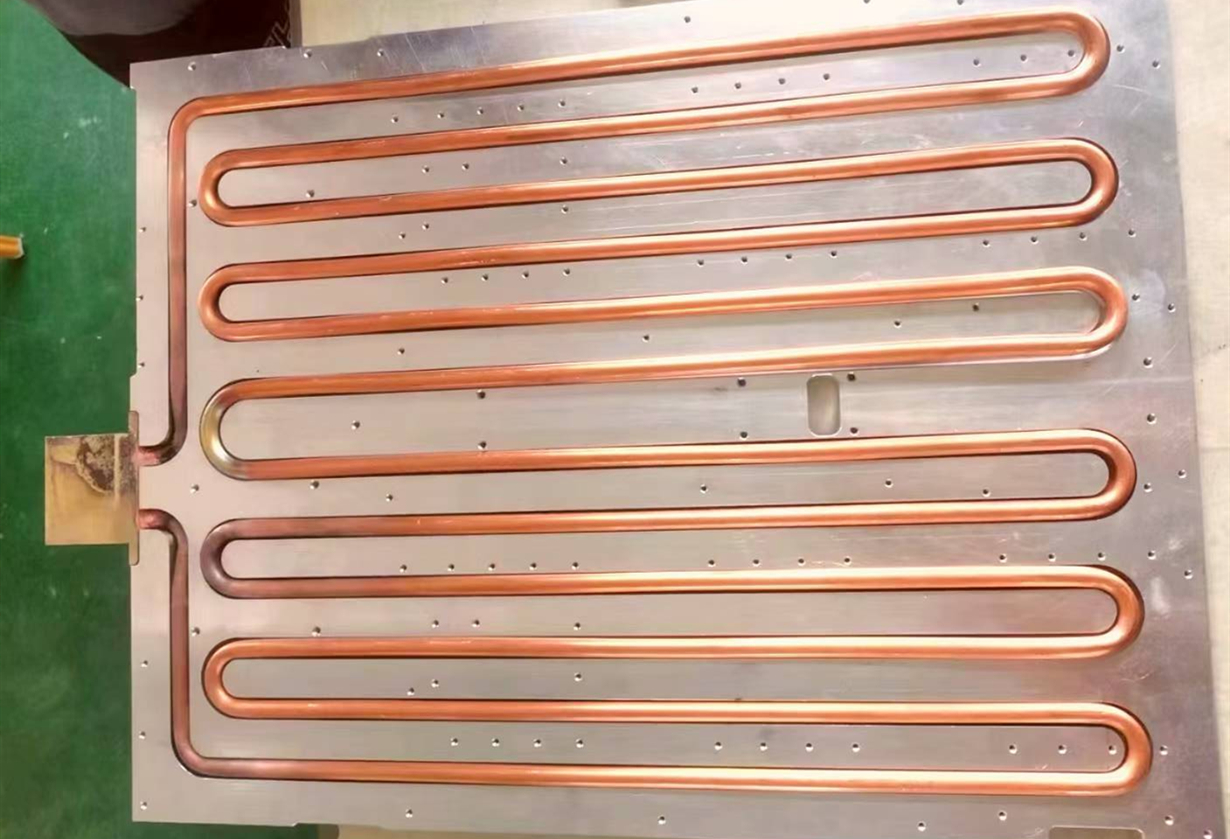
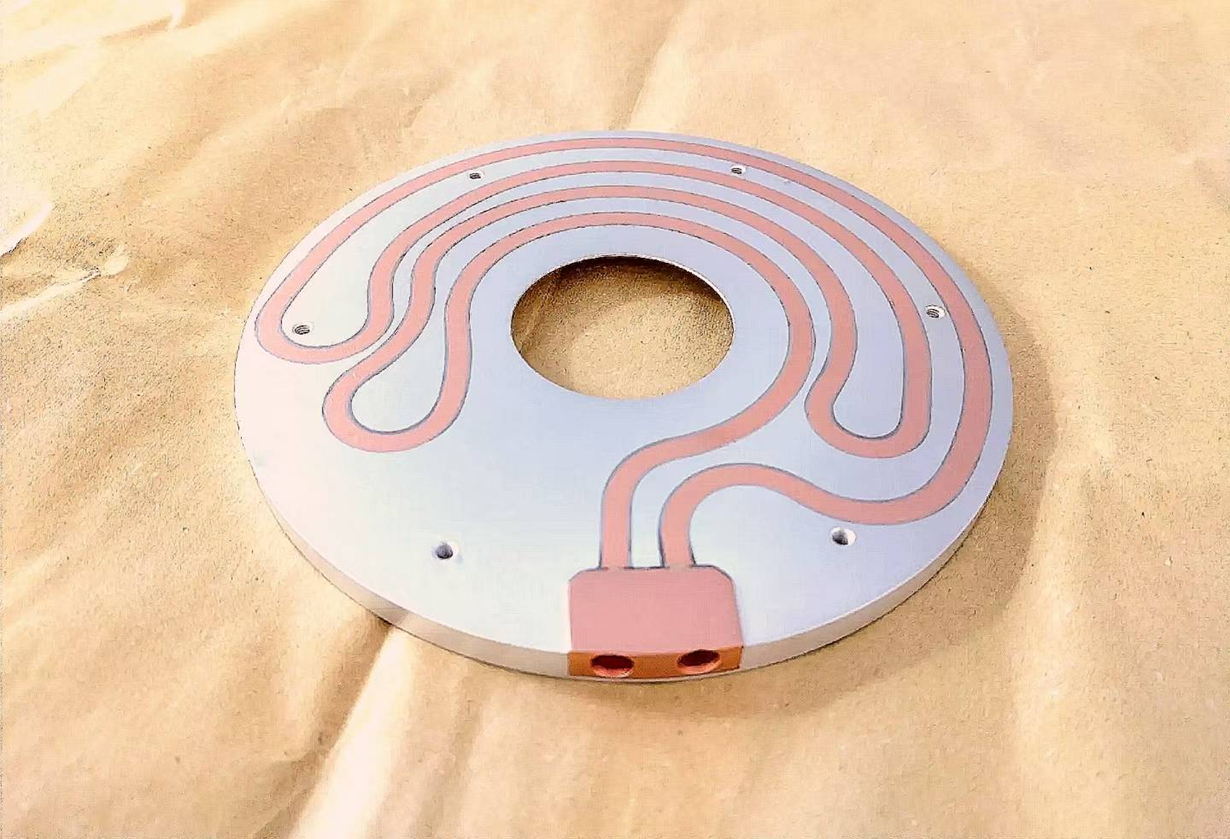
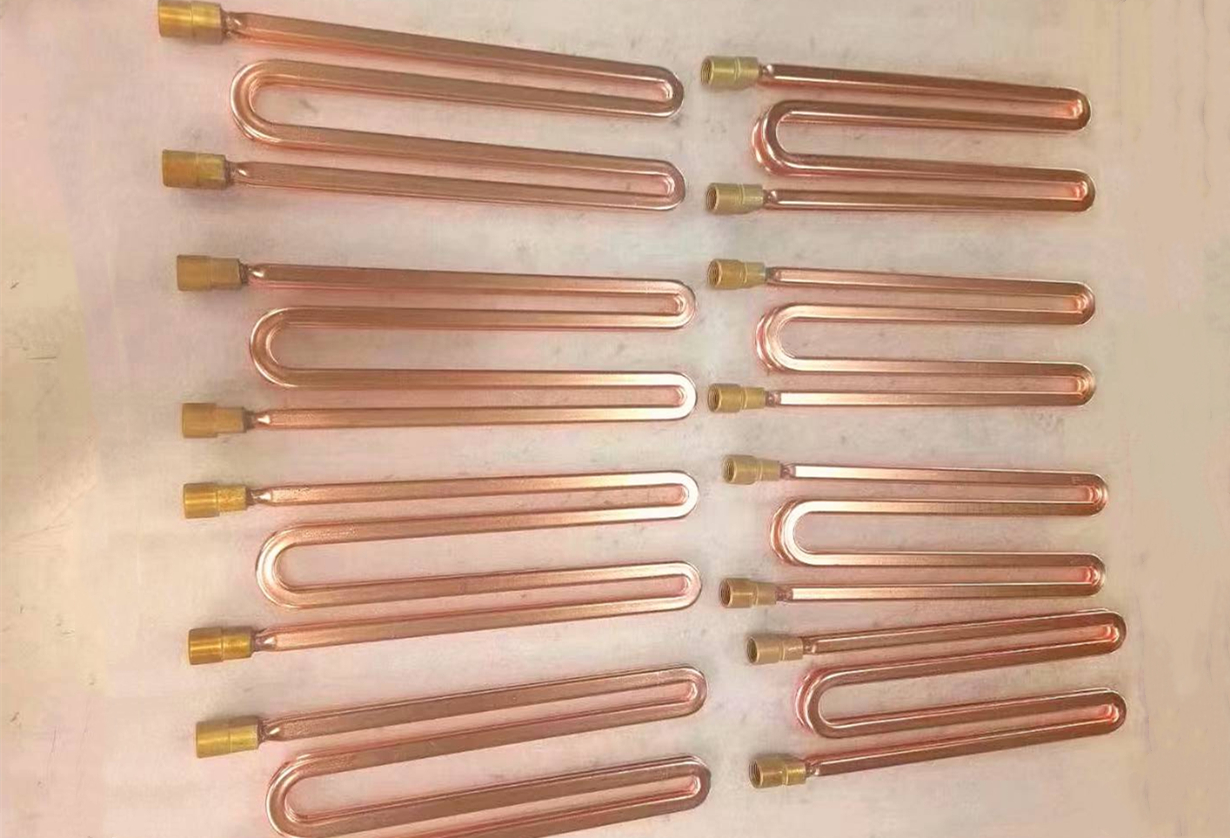
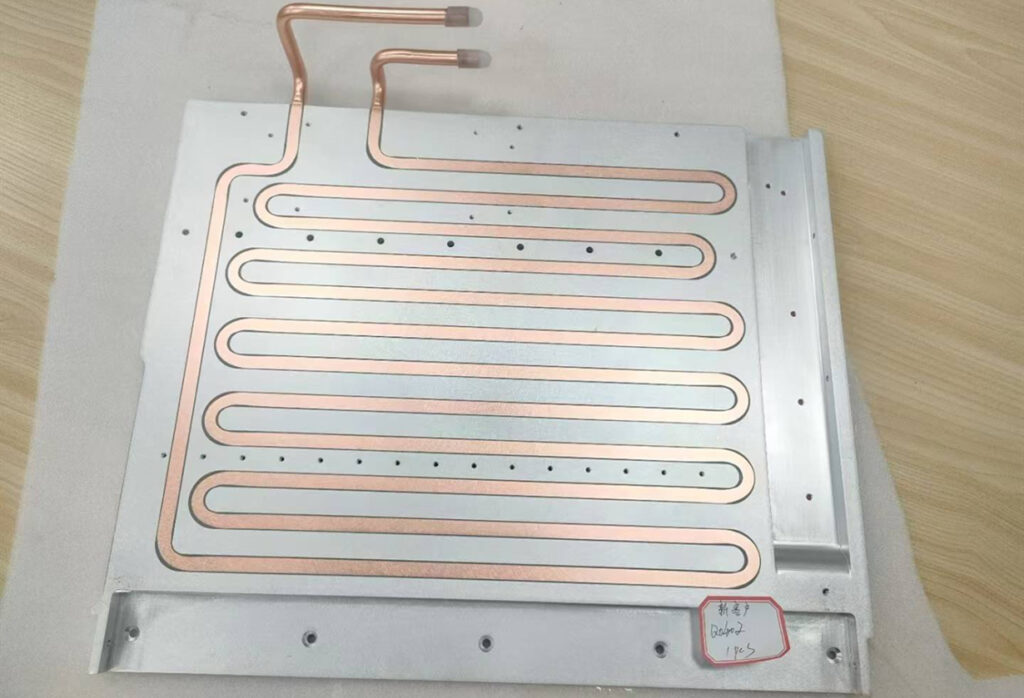
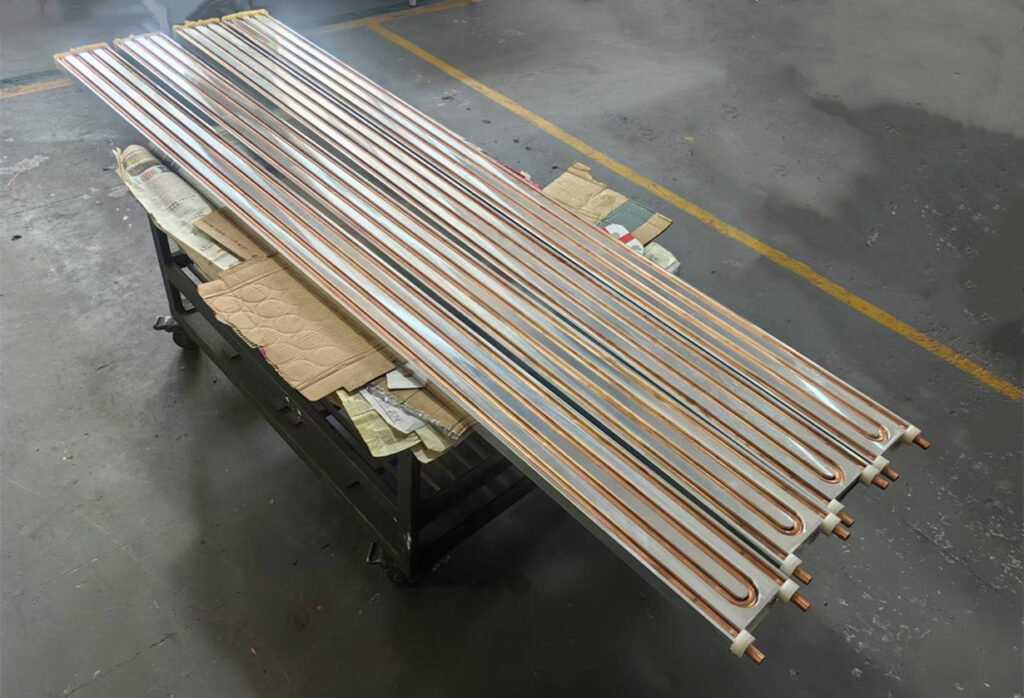
- Tubular: A metal tube (often copper) is embedded or swaged into a block of aluminum. A cost-effective and reliable solution with good performance.
CNC Machining Custom Liquid Cold Plate
One of the greatest strengths of liquid cold plates is their potential for customization. They can be tailored to:
- Specific shapes and footprints to fit unique components.
- Various port sizes and locations (e.g., NPT, G1/4″ threads).
- Different surface finishes and flatness to ensure perfect contact.
- Integration of additional features like mounting holes, temperature sensors, or pressure ports.
Liquid cold plates represent a sophisticated and highly effective solution to the universal problem of heat. They enable the technological leaps we see today by allowing engineers to push the boundaries of power and design. By moving heat efficiently and quietly, they don’t just cool components—they empower innovation.
Ready to explore how a liquid cold plate can solve your thermal management challenge? Contact our engineering team today for a custom solution tailored to your exact needs.