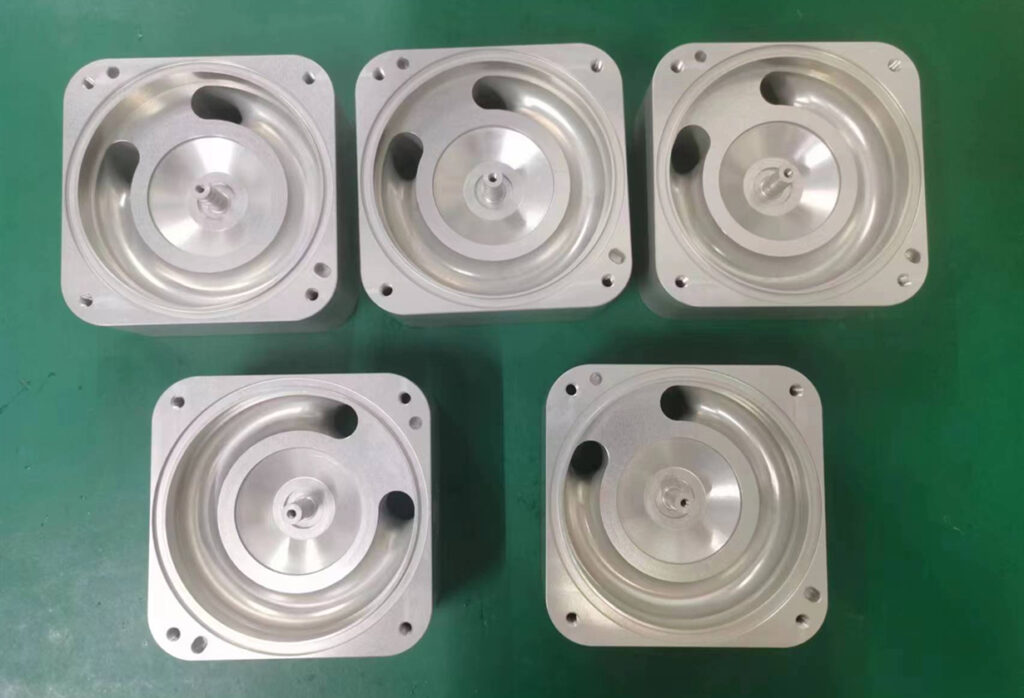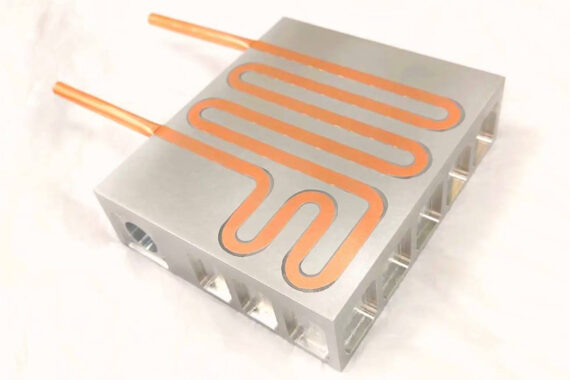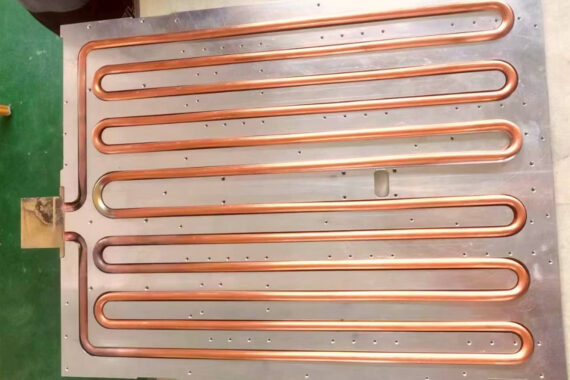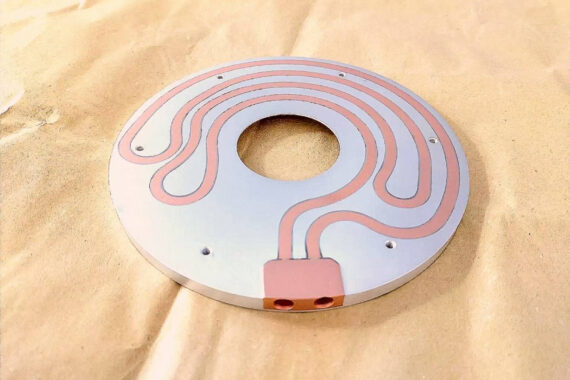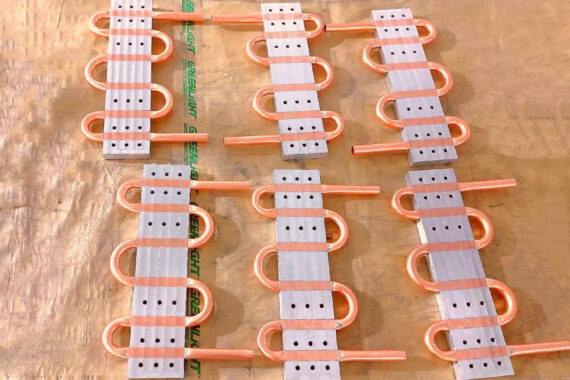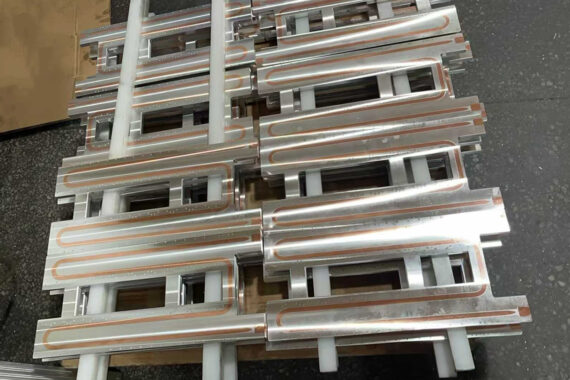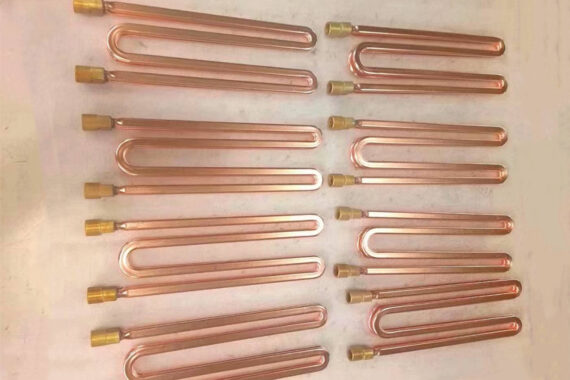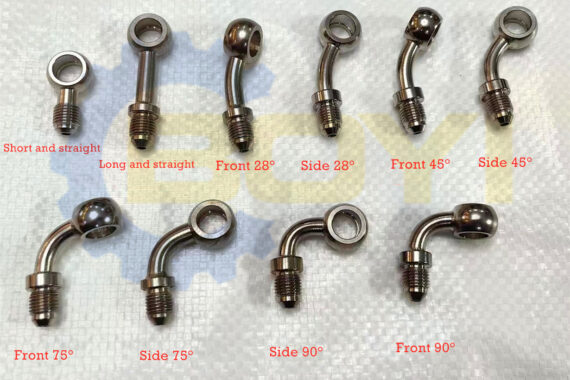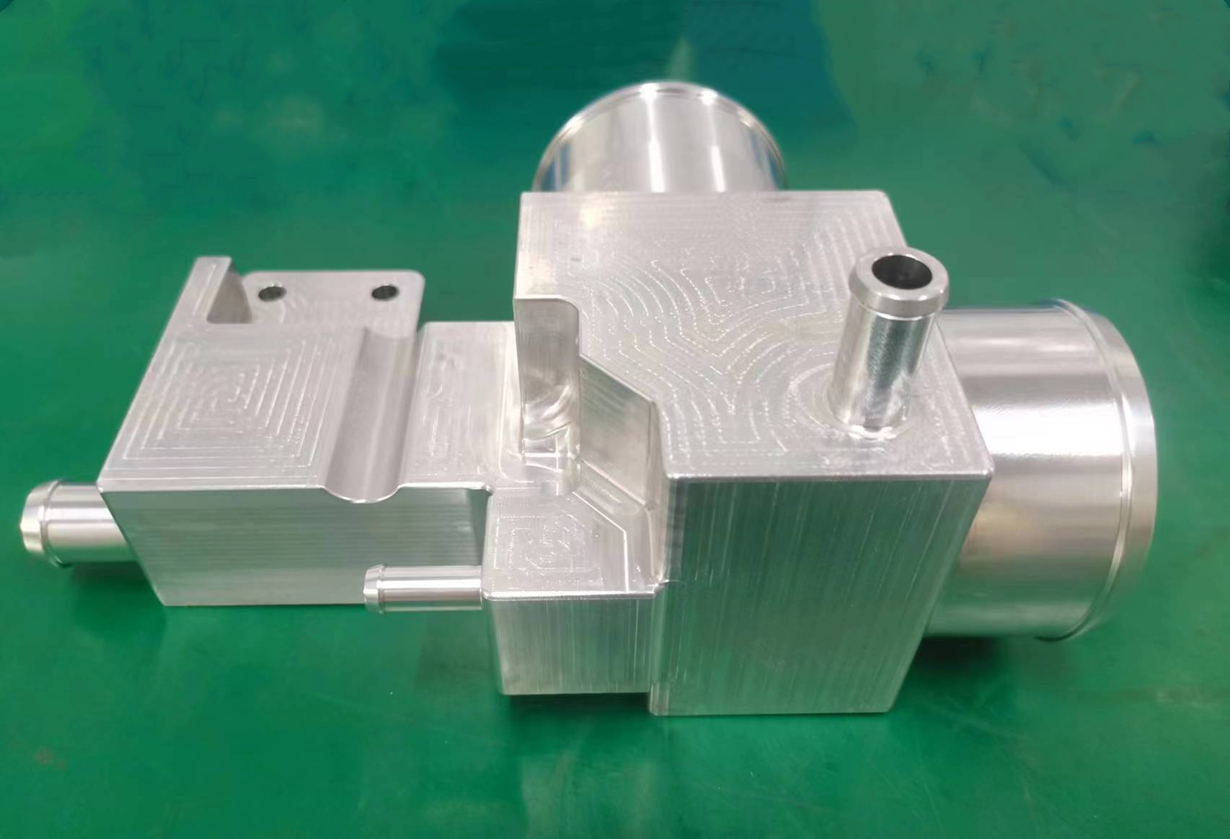
Our factory specializes in custom liquid cold plates with copper tubes, and CNC machining...

We live in a hyper-connected world. From the rollout of 5G networks and the expansion of satellite internet to the massive data centers that power our digital lives, the telecommunications industry is the central nervous system of the global economy.
However, this network isn’t built solely on software and signals. It’s built on physical hardware—high-frequency, complex, and exact components that must perform flawlessly in harsh environments. CNC machining services provide CNC turning and CNC milling, bringing unparalleled precision and timeliness to these critical components of telecommunications equipment.
While often associated with aerospace or medical devices, CNC machining is equally vital to telecom, providing the precision and performance needed to keep the world connected.
The Extreme Demands of Telecom Hardware
Telecommunication equipment operates at the extremes of performance, which places non-negotiable demands on its components:
- Signal Integrity: At gigahertz frequencies, the physical shape of a component directly affects signal transmission. Any imperfection, burr, or surface roughness can cause signal loss, reflection, or interference, degrading network performance.
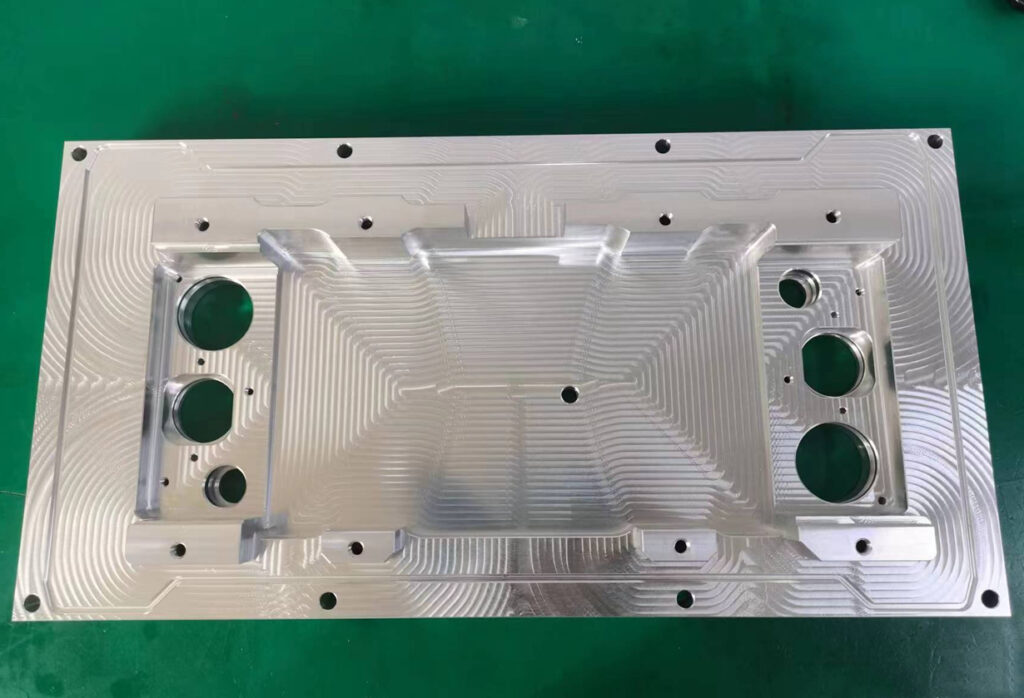
- Thermal Management: High-power amplifiers and processors generate immense heat. Components must dissipate this heat efficiently to prevent failure, requiring designs with complex thermal management features like heat sinks and cooling channels.
- Environmental Sealing: Outdoor equipment—from cell tower antennas to satellite transceivers—must be rigorously sealed against moisture, dust, and extreme temperature fluctuations. This requires housings with perfect fits and ultra-flat sealing surfaces.
- Lightweighting and Strength: Aerospace and satellite applications demand components that are incredibly light to reduce launch costs but strong enough to survive vibration and launch forces.
CNC machining is one of the few manufacturing processes that can consistently meet all these challenges.
Key Telecom Components Machined to Perfection
Walk through any telecom infrastructure facility, and you’ll find CNC-machined parts at every critical juncture.
Antenna Systems & Radar Components:
- Waveguides: These precision channels direct high-frequency radio waves. Their interior surfaces must be impeccably smooth and dimensionally perfect to minimize signal loss. CNC milling is ideal for creating these complex, often rectangular, tunnels from solid aluminum or copper blocks.
- Filter Cavities: These components filter out unwanted frequencies. They are typically machined from aluminum and may require intricate internal geometries that are only possible with multi-axis CNC machining.
- Radar Arrays & Reflectors: The structural elements and reflective surfaces of antennas require high dimensional stability and precise geometry to focus signals accurately.
Network Infrastructure & Data Centers:
- Heat Sinks: One of the most common CNC-machined parts in telecom. Dense, finned heat sinks are milled from aluminum or copper to cool high-power CPUs, FPGAs, and RF amplifiers in servers and base stations. CNC allows for intricate fin designs that maximize surface area and cooling efficiency.
- Server Racks & Mounting Plates: These structural components require rigidity, precise hole patterns for alignment, and excellent EMI/RFI shielding properties—all achievable through CNC machining of aluminum or steel.
Satellite Communications (Satcom):
- Transceiver Housings: These must be lightweight (often from aluminum or titanium) and provide hermetic sealing to protect sensitive electronics in the vacuum of space.
- Feed Horns & Bearing Assemblies: Critical for signal focus and directional pointing, these components require the absolute highest precision to ensure a strong, clear signal over vast distances.
Fiber Optic Networking:
- Precision Ferrules & Connectors: The alignment of microscopic glass fibers must be perfect to prevent data loss. CNC machining produces the ultra-precise sleeves and connectors that hold these fibers in perfect alignment.
- Optical Mounts & Lensing Systems: CNC machined precision components that hold and align lenses and filters require stability and sub-micron accuracy to maintain the integrity of the light signal.
What Material Are Telecom Parts Made From?
CNC machining’s material versatility is a key advantage for telecom designers:
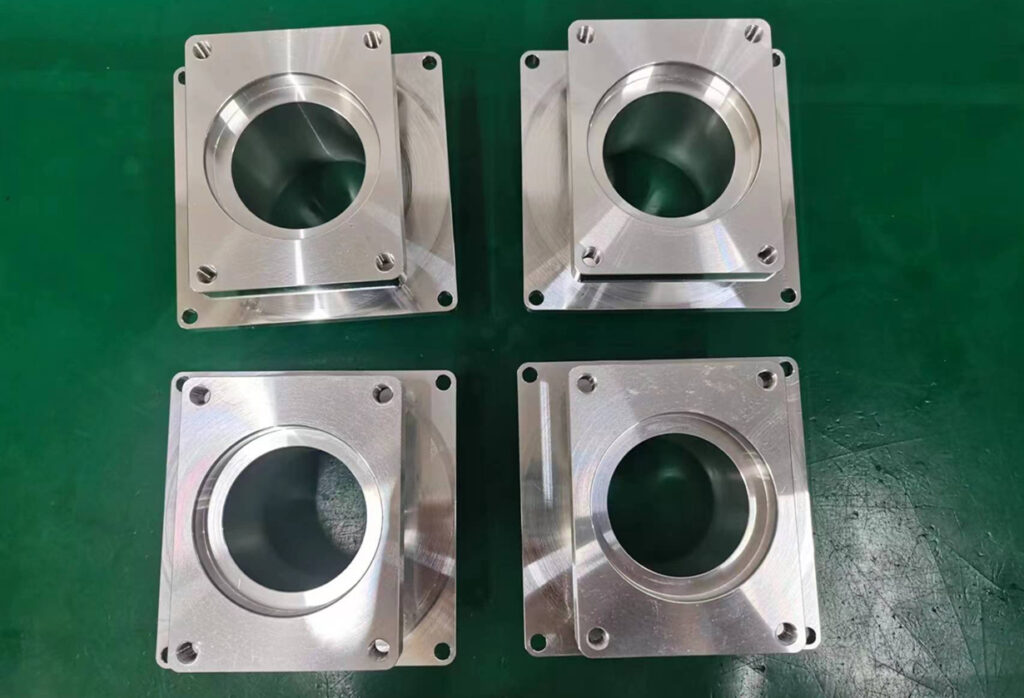
- Aluminum: The workhorse of the industry. Grades like 6061 and 7075 offer an excellent strength-to-weight ratio, good corrosion resistance, and superb thermal conductivity—perfect for housings, waveguides, and heat sinks.
- Copper & Brass: prized for their exceptional electrical and thermal conductivity. They are often used for RF components, waveguides, and specialized heat sinks where maximum thermal transfer is critical.
- Stainless Steel: Used for durable brackets, fasteners, and components requiring high strength and corrosion resistance.
- Engineering Plastics (PEEK, PTFE): Used for insulators, low-friction components, and parts where RF transparency is required.
Why CNC Machining is the Preferred Process for Custom Telecom Components
- Prototyping to Production: CNC is perfect for prototyping new designs and moving seamlessly into low-to-mid-volume production, allowing for rapid iteration and faster time-to-market for new technology.
- Unmatched Precision and Repeatability: CNC machines hold tolerances within microns (±0.025mm or less), ensuring every part in a production run is identical. This consistency is mandatory for maintaining network performance.
- Design Freedom: 5-axis CNC machining can create complex, single-piece geometries that would be impossible to make with other methods. This allows engineers to consolidate multiple parts into one, improving reliability by eliminating points of failure.
- Superior Surface Finish: A smooth surface finish is critical for signal integrity in RF applications. CNC machining can achieve the required surface quality directly off the machine, often without need for secondary finishing.
Is your next telecom innovation ready for production?
The next time you make a crystal-clear video call, download a file in seconds, or get a real-time update from a satellite, remember the physical precision that makes it possible. CNC machining is the unsung hero of the telecommunications industry, providing the robust, high-precision hardware that forms the foundation of our connected world.
As we push towards 6G, deeper space exploration, and a fully realized IoT, the demand for even more advanced components will only grow. And CNC machining will be there, providing the signal strength of precision.
Is your next telecom innovation ready for production? Partner with a CNC machining expert who understands the critical tolerances and material requirements of the telecommunications industry. Contact Us to ensure your components perform as flawlessly as your network.